How to Choose the Best Designer Upholstery Fabric
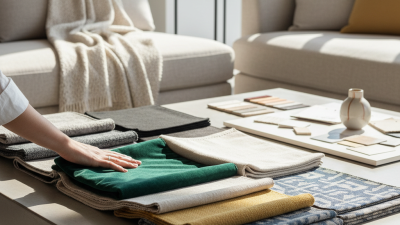
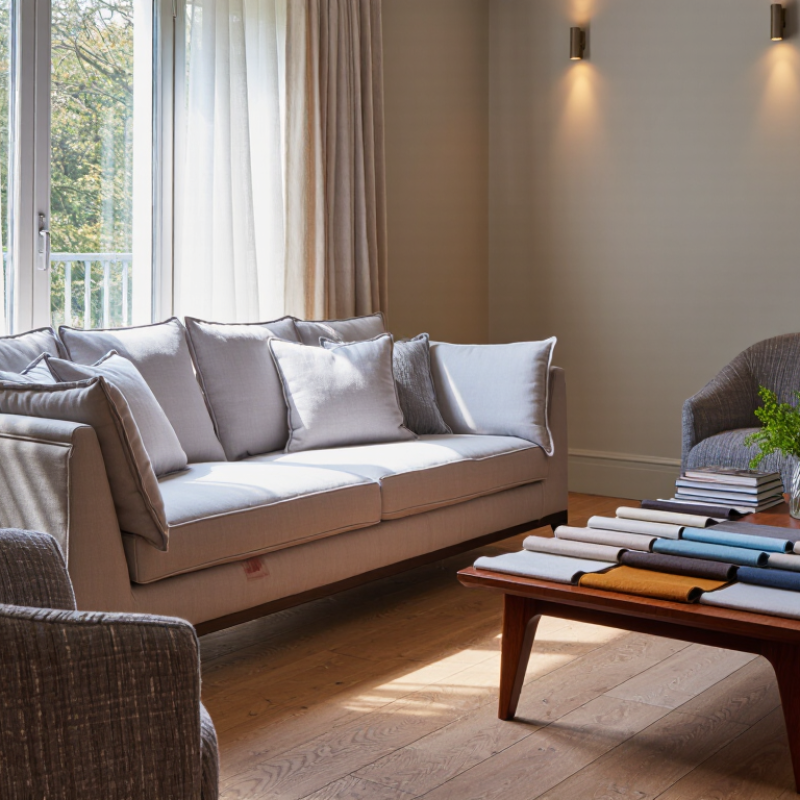
Choosing designer upholstery fabric is not only a question of color or a famous label. The right textile must suit the room, the furniture’s shape, and the way people actually use it. A pale linen blend may feel relaxed beside a sunny window, yet show fingerprints quickly on a family sofa. A tight, durable weave can be more forgiving, though it may feel less soft against bare arms. Small details matter. Check fiber content, cleaning instructions, and abrasion-test results before comparing prices. Test a generous swatch at home, where morning light and evening lamps can reveal different undertones.
Touch the fabric, crease it, and hold it against your existing wood and flooring. Ask the retailer how it behaves after cleaning, and whether its performance information applies to finished upholstery. Specifications help, but they do not guarantee comfort or a perfect match. Not always. For dining chairs, stain resistance and easy care may outweigh a delicate texture. For a rarely used accent chair, appearance may matter more. Consider how seams, piping, and pattern repeats will look across cushions. Large motifs can lose their balance when cut around corners. If possible, ask an upholsterer familiar with your furniture’s frame and construction. This guide explores how to weigh appearance, durability, maintenance, and cost without treating one feature as decisive. A beautiful fabric can still be the wrong choice.
Define Usage and Traffic: Aim for 15,000+ Martindale Rubs for Everyday Seating
How to Choose the Best Designer Upholstery Fabric
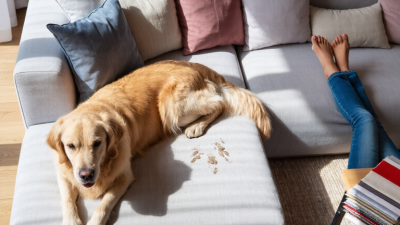
Define usage before choosing a fabric. A formal sitting room may see gentle, occasional use, while a family sofa faces daily friction, pets, and the occasional dropped snack. For everyday seating, look for a Martindale rating of at least 15,000 rubs. Higher traffic often calls for a higher rating. A reading chair used every evening deserves more durability than a rarely used accent chair. Think about who sits there, how often, and what actually happens on the seat.
Martindale rubs measure resistance to abrasion, not overall fabric quality. A high score cannot tell you whether a weave will snag, fade in a sunny window, or feel comfortable against bare skin. Check the fabric’s construction and care guidance, too. Ask for a sample, then view it in your room’s light and feel its texture. One number is useful, but it can be easy to overvalue it. I’d also consider whether the fabric suits your real cleaning habits, not your ideal ones.
Tips: Match the rub rating to actual use, not just appearance. Check seams and weave closely, especially for busy households. A sample helps. Sit on it, rub it gently, and see whether the color shifts beside your flooring.
Compare Fibers and Weaves: How Composition and Construction Affect Wear
How to Choose the Best Designer Upholstery Fabric
Fiber and weave work together, but they solve different problems. Fiber describes the material; weave describes how its threads cross. A tightly woven polyester blend may resist everyday scuffs, while a loose linen weave can snag more easily. Neither label tells the whole story. Look closely at the sample, especially where the threads meet.
Cotton feels breathable and familiar, but spills can leave marks unless the fabric has suitable protection. Wool often handles abrasion well and can spring back after pressure, though its texture may feel too warm in a sunny room. Polyester and other synthetics are often practical for busy seating. Still, performance varies by yarn quality and construction. Check the fabric’s abrasion rating, but treat it as one clue, not a promise of years without wear.
Plain weaves have a simple, stable structure and can suit frequently used chairs. Twills form diagonal ribs that may disguise small marks; velvet’s pile feels soft but can show pressure or brushing direction. Rub a sample with your fingertips, then press it with a thumbnail. Does the surface recover? It may not predict long-term performance perfectly, but it reveals useful details. I’d also inspect seams and edges. A beautiful swatch can behave differently once stretched over a cushion, and that uncertainty is easy to overlook.
Verify Abrasion Ratings: Check ISO 12947 Martindale or ASTM D4157 Wyzenbeek
When comparing upholstery fabrics, look beyond a sales label that says “heavy duty.” Ask for the abrasion report and check which test was used: ISO 12947 Martindale or ASTM D4157 Wyzenbeek. The number only makes sense with its method. A Martindale test rubs the fabric in a changing pattern, while Wyzenbeek uses repeated back-and-forth strokes. Their results are not directly interchangeable.
Match the rating to the room. A dining chair used every day faces different wear from a cushion in a quiet guest room. Think of denim seams sliding across a seat, or a child shifting on the same sofa cushion after school. Those details matter. A higher cycle count generally signals better resistance in that test, but there is no single number that guarantees a fabric will last in every home. Check the supplier’s stated use and test conditions.
Ask whether the tested sample matches the fabric you plan to buy, including its weave and finish. Small changes can affect performance. I used to read a large rating as a promise; that was too simple. Abrasion is only one part of durability. Seams, sunlight, cleaning, and everyday care also shape how upholstery looks over time. A clear test report is useful, but it cannot predict every household.
Assess Care Requirements: Read Cleaning Codes W, S, WS, and X
A fabric’s cleaning code can matter more than its color once a drink lands on the sofa. Check the care label before buying, and keep a photo of it for later. The Association for Contract Textiles (ACT), an industry organization, identifies four upholstery cleaning codes: W, S, WS, and X. These codes describe which cleaning methods are permitted; they do not promise that every stain will come out.
W allows water-based cleaners, while S calls for water-free, solvent-based products. WS permits either method, but test first on a hidden area. X means vacuum or brush only; liquids may leave rings, shrink the fabric, or damage its finish. Blot spills with a clean white cloth. Do not scrub. It is tempting to reach for dish soap, but that can leave a visible residue.
Ask the seller for the exact care instructions, especially when the label is missing or unclear. ACT’s guidelines provide a useful reference, but the fabric maker’s instructions should guide care for that specific material. A code is not a stain-removal guarantee. Test any approved cleaner on an unseen seam, wait for it to dry, and check for color change or texture damage. That extra step can feel slow. It is still cheaper than a pale, rough patch on a new chair.
Calculate Yardage: Allow 10–15% Extra for Pattern Matching and Repeat
Before ordering designer upholstery fabric, measure each visible section separately: seat, inside back, outside back, arms, and welt. Add 10–15% to the estimated yardage when the fabric has a pattern repeat, so motifs can align across seams. A 24-inch repeat can create noticeable waste because each cut may need to begin at the same point in the design. Small repeats help. Large motifs need more planning.
Treat 10–15% as a working allowance, not a guarantee. A shaped arm, wide border, or centered medallion may require more; plain fabric may need less. Ask the workroom to calculate yardage from the furniture’s dimensions and the fabric’s usable width and vertical repeat. The Association for Contract Textiles’ Upholstery Fabric Performance Guidelines address performance checks such as abrasion and seam slippage, while ASTM D3597 sets test requirements for woven upholstery fabrics. These standards help assess suitability, but they do not replace a cut plan. Measure twice. I would still confirm the layout with the upholsterer before purchasing; a small mismatch can mean another order and a visible seam.
How to Choose the Best Designer Upholstery Fabric - Calculate Yardage: Allow 10–15% Extra for Pattern Matching and Repeat
| Upholstery Project |
Typical Pattern Repeat |
Base Estimate |
10% Extra |
Suggested Order with 10% Extra |
15% Extra |
Suggested Order with 15% Extra |
| One armchair |
Small repeat, up to 6 in. |
6 yd |
0.6 yd |
6.75 yd |
0.9 yd |
7 yd |
| Two dining chairs |
Small repeat, up to 6 in. |
4 yd |
0.4 yd |
4.5 yd |
0.6 yd |
4.75 yd |
| One loveseat |
Medium repeat, about 7–12 in. |
13 yd |
1.3 yd |
14.5 yd |
1.95 yd |
15 yd |
| One standard sofa |
Medium repeat, about 7–12 in. |
18 yd |
1.8 yd |
20 yd |
2.7 yd |
20.75 yd |
| One large sofa |
Large repeat, over 12 in. |
22 yd |
2.2 yd |
24.25 yd |
3.3 yd |
25.5 yd |
| One upholstered ottoman |
Small repeat, up to 6 in. |
3 yd |
0.3 yd |
3.5 yd |
0.45 yd |
3.5 yd |
| Planning note: Base figures are approximate examples for standard furniture using fabric about 54 in. wide. Extra amounts are calculated from the base estimate; suggested order quantities are rounded up to the nearest quarter yard. Larger repeats, directional designs, narrow fabric widths, matching across multiple pieces, or additional details such as skirts and covered buttons may require more yardage. Confirm the final estimate with your upholsterer. |