How to Choose Furniture Upholstery Fabric in 2026?
Choosing furniture upholstery fabric in 2026 is not just a color decision. It is a daily-use decision. Think of a pale sofa beside a sunny window, a dog’s muddy paws, and the rough denim that rubs against its arms. Each detail changes what “best” means.
The U.S. Environmental Protection Agency’s 2018 waste report estimated that Americans generated 17 million tons of textile waste. That figure covers many kinds of textiles, not upholstery alone, but it underlines why fabric life span deserves attention. For performance guidance, the Association for Contract Textiles publishes testing criteria for abrasion, colorfastness, and other properties. These tests offer useful comparisons, though no single score predicts how a fabric will feel or age in every home. That matters. A high abrasion rating cannot promise a stain-proof sofa.
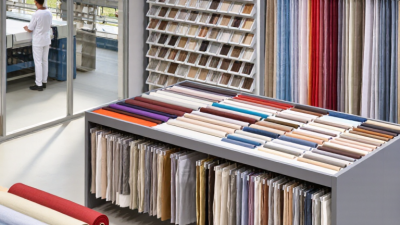
Interior designer Nate Berkus has said, “Your home should tell the story of who you are, and be a collection of what you love.” That idea belongs in the fabric choice, too—but taste should meet practical needs. In this guide, we’ll compare natural and synthetic fibers, weave and texture, cleaning demands, durability claims, and color in changing light. We’ll also look at labels and test results without treating them as guarantees. A fabric sample can look calm in a showroom and surprisingly loud at home. So order samples, touch them, and view them beside your own flooring and window. The choice may still feel uncertain. That is worth admitting. A beautiful fabric is only a good choice when it fits the way you actually live.

Assess Room Use, Household Needs, and Furniture Wear
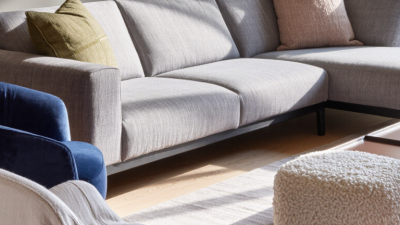
A living-room sofa used every evening needs different upholstery from a rarely used guest-room chair. Track how people actually use each piece: meals, naps, homework, pets, or quick visits. Not just appearance. A pale, textured fabric may look inviting, but crumbs can settle between its raised threads.
Household needs shape the choice. Children and pets can make removable, washable covers or tightly woven fabrics easier to manage. Check the care label and ask how spills should be handled; “easy clean” does not mean stain-proof. Sunlight matters, too. A chair beside a bright window may fade faster, so compare fabric swatches in that spot at different times of day. Small differences show up.
Then assess wear on the furniture itself. Seat edges, armrests, and cushions often take more friction than the back panel. Look for abrasion-test results, but treat any single number as a guide, not a guarantee; testing methods and real-life use differ. Rub a sample gently, check its backing, and feel whether it stays comfortable. I might still choose a delicate fabric for a low-use accent chair. That is a trade-off, not a durable choice. It helps to be honest about how often you will clean, repair, or replace it.
How to Choose Upholstery Fabric in 2026
Match fabric durability to room use, household needs, and expected furniture wear.
Indicative benchmarks: around 15,000 Wyzenbeek double rubs for light residential use, 30,000 for heavy residential use, and 50,000 or more for commercial use. Consider pets, children, spills, and cleaning needs too. Abrasion results are not a guarantee of fabric lifespan; test methods and specifications vary.
Compare Upholstery Fibers, Weaves, and Surface Textures
How to Choose Furniture Upholstery Fabric in 2026?
Compare Upholstery Fibers, Weaves, and Surface Textures
Polyester is common, but it is not automatically the best choice. Textile Exchange’s Materials Market Report 2024 estimates polyester accounted for 57% of global fiber production in 2023. That scale matters: polyester often dries quickly and holds color well, while wool can help moderate temperature and cotton feels breathable. Still, fiber labels tell only part of the story. A tightly woven blend may suit a busy family room better than a loose natural fabric.
Check the construction with your hand and eyes. A compact plain weave often snags less than open boucle, whose loops add visible depth but may catch on sharp objects. Velvet’s pile shows pressure marks; brush it in both directions and watch the shade shift. Linen slubs look relaxed, but the fabric may wrinkle at seat edges. Small details count. Run a fingernail over the weave and seams, then sit on a sample.
Treat test figures as filters, not promises. ACT’s upholstery performance guidelines list 30,000 Wyzenbeek double rubs for woven fabrics; ASTM D4157 describes the abrasion test method. A high score cannot predict sunlight fading, pilling, or wear from pets. Match the fiber, weave, and texture to the room’s actual use, and ask for cleaning and lightfastness details. A swatch can fool you. Check it in daylight and lamplight; no single fabric suits every home.
Evaluate Durability, Cleanability, Comfort, and Colorfastness
How to Choose Furniture Upholstery Fabric in 2026?
A useful fabric choice starts with how the furniture will be used. For a busy family sofa, check abrasion-test results, but treat them as one clue, not a guarantee. Seams, weave, and cushion construction also affect how well upholstery holds up. Ask for care instructions before buying; a “durable” fabric may still be difficult to clean.
For spills, find out whether the fabric can be spot-cleaned or needs professional care. Test any cleaning method on a hidden area, and blot rather than scrub when the care guide allows it. Comfort is personal. Sit on a sample if possible, and notice whether it feels scratchy, warm, or slippery against your skin. Feel it first.
Colorfastness deserves a real-world check. Place a swatch near a sunny window and view it in daylight and evening light; colors can shift noticeably. Ask whether the fabric has been tested for fading from light and rubbing. No test predicts every home, and I would not trust a tiny sample alone. A larger sample helps reveal texture and color variation, though even that can surprise you after installation.
Check Sustainability, Safety, and 2026 Fabric Innovations
Choosing upholstery in 2026 means looking beyond a recycled-content claim. Ask what the fabric contains, how its fibers were processed, and whether the supplier can document its sourcing. Recycled fibers may reduce demand for virgin materials, but blends can complicate future recycling. Natural fibers are not automatically low-impact; farming and finishing matter too. Feel the backing.
Safety deserves equal attention, especially on furniture used daily. Request current test documentation for the fabric’s intended setting, such as residential or commercial use. Requirements vary by region, so a vague “fire-safe” claim is not enough. Ask about chemical finishes and emissions, too. A strong odor from a new swatch is worth investigating, though smell alone cannot confirm safety. Keep the product details with your purchase records.
Fabric innovations now include recycled yarns, solution-dyed fibers that may need less water during coloring, and newer bio-based finishes. Performance varies, and “plant-based” does not guarantee durability. Some suppliers also provide more detailed material-tracking information; check whether it covers the finished fabric or only one component. Test a swatch against sunlight, spills, and a fingernail. The hand feel can change after cleaning, and I would not choose from a screen alone. Small details matter.
Match Fabric Performance, Style, and Budget to Your Furniture
How to Choose Furniture Upholstery Fabric in 2026?
Match Fabric Performance, Style, and Budget to Your Furniture
Choose fabric by room use, not by the swatch alone. For a sofa used daily, check abrasion resistance, pilling, seam strength, and cleaning instructions. The Association for Contract Textiles’ performance guidelines set 30,000 Wyzenbeek double rubs as a benchmark for woven upholstery. This is a lab result, not a lifespan promise. A tight weave may resist snags, while loose boucle can catch pet claws. Small details matter.
Match texture and color to the furniture’s shape and the room’s light. A matte linen blend can soften a formal frame; a textured weave may disguise small marks on a family chair. Request a large sample and view it beside the wood, rug, and window at different times of day. Textile Exchange’s Materials Market Report 2024 estimated global fiber production at 124 million metric tonnes in 2023, with polyester accounting for 57 percent. Fiber content alone does not prove durability or lower environmental impact.
Budget for the whole job, not just the fabric price per yard. Pattern repeats and wide arms can increase yardage, while performance finishes may add cost. Get an upholsterer’s estimate before ordering. Choose easy-care fabric where hands and pets land, and reserve delicate cloth for low-use accent pieces. A higher abrasion score is not everything. I’d still pause over fabric that feels unpleasant to live with.