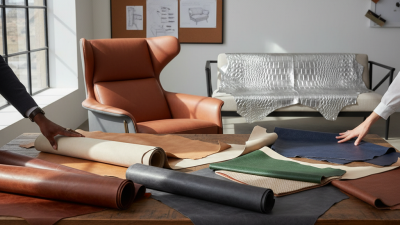
Choosing fabric upholstery in 2026 is less about chasing one fashionable texture and more about matching fabric to everyday life. A sofa beside a sunny window faces different demands from a reading chair used each evening. Textile designer William Morris offered a useful principle: “Have nothing in your houses that you do not know to be useful or believe to be beautiful.” His words are not a modern performance-fabric test. Still, they remind us to weigh appearance alongside practical needs.
This guide explores popular options, including performance polyester, cotton and linen blends, velvet, wool, bouclé, and recycled-fiber fabrics. Each has trade-offs. Performance polyester can be easier to clean, while linen offers a relaxed texture but may crease. Velvet adds depth and softness; its pile can show marks in changing light. Bouclé feels tactile, though its loops may not suit every busy household. Wool blends can feel warm and resilient, but composition and care instructions matter. Small details count.
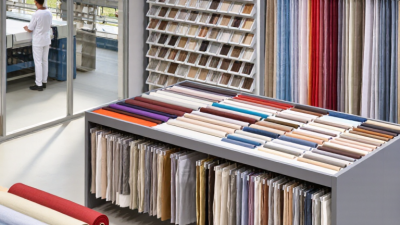
Fabric names alone do not guarantee durability or comfort. Fiber content, weave, finish, color, and maintenance all shape how a covering performs. Even a showroom swatch can be misleading under different lighting. Check the label, test a sample at home, and consider who will use the furniture. There is no perfect fabric for every room. A practical choice may still involve compromise—and it is worth noticing where that compromise falls.
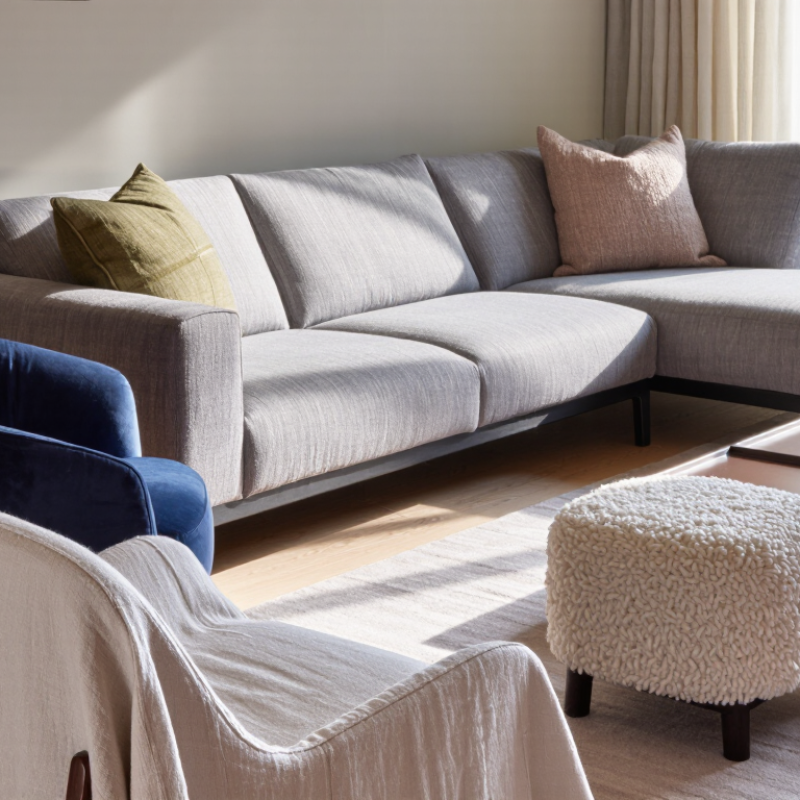
Fabric upholstery is the textile layer covering a chair, sofa, or cushion. It may use natural fibers, such as cotton and wool, or manufactured fibers, such as polyester and nylon. Small details matter.
Fiber is spun into yarn or extruded as filament, then woven or knitted into cloth. Mills may dye yarn before weaving, or color finished fabric afterward. They can also add backing or surface finishes to improve stability, stain resistance, or hand feel. The exact process varies by fiber and construction.
Textile Exchange’s Materials Market Report 2024 estimates that global fiber production reached 124 million metric tons in 2023, with polyester making up about 57 percent.
The U.S. Environmental Protection Agency reported 17 million tons of textile waste generated in 2018; that figure includes many textile products, not just furniture coverings.
These figures describe the wider textile supply, not upholstery alone. So fabric selection has a material footprint, but a fiber label cannot tell the whole story.
The neat sequence hides a messier reality: weave, backing, finish, and care all affect how cloth performs on a sofa. A tightly woven sample may feel durable, yet still snag or fade in a sunny room. Check the construction, not only the fiber name.
Upholstery fabrics are classified by fiber, construction, and performance—not by appearance alone. Fiber describes the material: cotton and linen are plant-based, wool comes from animals, and polyester or nylon are manufactured fibers. Blends combine fibers to balance qualities, such as a softer feel with easier care. Still, a fiber name cannot predict how a fabric will behave in every room.
Construction explains how yarns form the fabric. Plain weave and twill are woven structures; velvet has a raised pile, while knit fabrics use interlocking loops. Bouclé describes a looped yarn and textured surface, so it can overlap with other construction terms. That overlap matters. Two fabrics with similar colors may wear differently because of their yarn, weave, finishing, and weight. For 2026 shoppers, check the care label and abrasion information, then compare samples under your room’s lighting. Fabric testing helps, but home use can differ.
Tips: Rub a sample gently and inspect its edges. Ask how it handles spills, sunlight, and routine cleaning. If the answer is vague, pause before choosing. A pale, nubby fabric may look inviting, yet show marks sooner than expected.
Performance polyester remains a practical choice for busy homes. Its tightly woven surface can resist everyday spills and abrasion, though “performance” does not mean stain-proof. Check the care label before cleaning. A pale swatch may look calm in a showroom, then show denim transfer or pet hair under daylight. Small details matter.
Cotton and linen blends feel breathable and relaxed, with a natural texture that suits casual rooms. They can wrinkle, and some versions fade faster in direct sun. Wool blends offer warmth and resilience, but may feel too heavy in a bright summer space. The best choice depends on how a room is used, not just how a sample looks.
Velvet adds depth through its changing pile, which shifts tone when brushed in different directions. It can show pressure marks, so test a sample by pressing and smoothing it repeatedly. Microfiber is soft and often easy to maintain, yet its close nap may hold fine dust. No fabric stays perfect. Compare swatches at home, sit on them, and check cleaning instructions before choosing.
Fabric durability is more than a high abrasion score. The Association for Contract Textiles (ACT) sets a 15,000 Wyzenbeek double-rub minimum for woven upholstery fabrics. Its guidance also lists 20,000 Martindale cycles, but the methods are not directly interchangeable. These are useful screening benchmarks, not promises of a fabric’s lifespan.
Not the whole story. Loose weaves may snag, while dark colors can show lint and pale fabrics reveal spills. Test the actual swatch.
Care varies by fiber and finish. Cotton and linen feel breathable, but their absorbency can make fresh spills harder to remove. Wool fibers tend to recover well from compression, yet excessive moisture or harsh cleaning may distort the surface. Polyester blends are often easier to maintain; olefin resists moisture, but oil and heat can be concerns. Always follow the fabric’s cleaning code, and blot rather than rub a spill. A damp cloth seems harmless, but it can leave a water mark. Before buying, check the maker’s care instructions and ask how the fabric performed in abrasion, colorfastness, and pilling tests. ACT’s performance guidelines assess several of these properties because rub counts alone miss everyday wear.
Choose upholstery according to the room’s daily demands, not just its color. For a busy family sofa, tightly woven polyester or a durable blend can resist frequent rubbing and clean more easily than delicate linen. Spills happen. Ask for the fabric’s cleaning code and care instructions before choosing, especially if children or pets use the furniture. For a cooler, more relaxed feel, cotton and linen offer breathable texture, but they can wrinkle and show stains. Wool blends feel warm and can disguise small marks; velvet adds softness, though pile direction may show pressure from a hand or cushion.
Check performance data, but read it carefully. The Association for Contract Textiles’ voluntary guidelines set high-traffic benchmarks of 30,000 Wyzenbeek double rubs or 40,000 Martindale cycles for woven upholstery. These are separate test methods, not interchangeable scores, and neither guarantees a particular lifespan. A test score is only a clue. Textile Exchange’s Materials Market Report 2024 estimates that polyester made up 57% of global fiber production in 2023, a useful reminder that common fibers also carry wider material impacts. For sunny rooms, ask about lightfastness; for everyday seating, inspect a swatch under your actual lighting and rub it gently. I would not choose by numbers alone: the fabric’s feel, cleaning demands, and the way your household really uses the sofa matter too.