Top Home Upholstery Manufacturers for Global Buyers
Home upholstery is no longer a purely local purchase. Buyers compare manufacturers across borders, weighing design, durability, lead times, and supplier transparency. The market is substantial. Fortune Business Insights estimated the global upholstered furniture market at USD 47.76 billion in 2023, with growth projected through 2032. Mordor Intelligence also forecasts expansion, though its market scope and estimates differ. That variation matters. Market figures are useful context, not a substitute for checking a factory’s actual capabilities.
For global buyers, a strong shortlist starts with details you can verify: kiln-dried frame specifications, foam density, seam consistency, fabric abrasion results, and documented quality checks. Ask for a material sample and a pre-production piece. Look closely at the corners. That is where rushed work often shows. Manufacturers should also explain how they manage custom orders, packaging, and shipment schedules—not just show polished showroom photos. Reports from organizations such as the International Trade Centre can help buyers understand sourcing conditions, while company audits and product testing provide more direct evidence.
This guide introduces home upholstery manufacturers serving international markets and the practical questions buyers should ask before placing an order. No supplier is perfect. Even a promising factory can miss a deadline or produce uneven samples, and a neat brochure cannot prove otherwise. Use market reports to frame the opportunity, then verify claims through specifications, references, and samples. A little skepticism is healthy.
What Home Upholstery Manufacturers Produce and How the Industry Is Organized
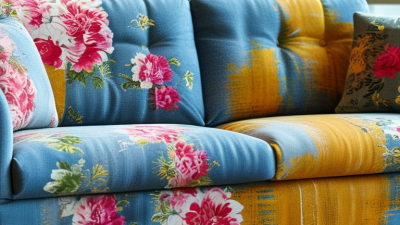
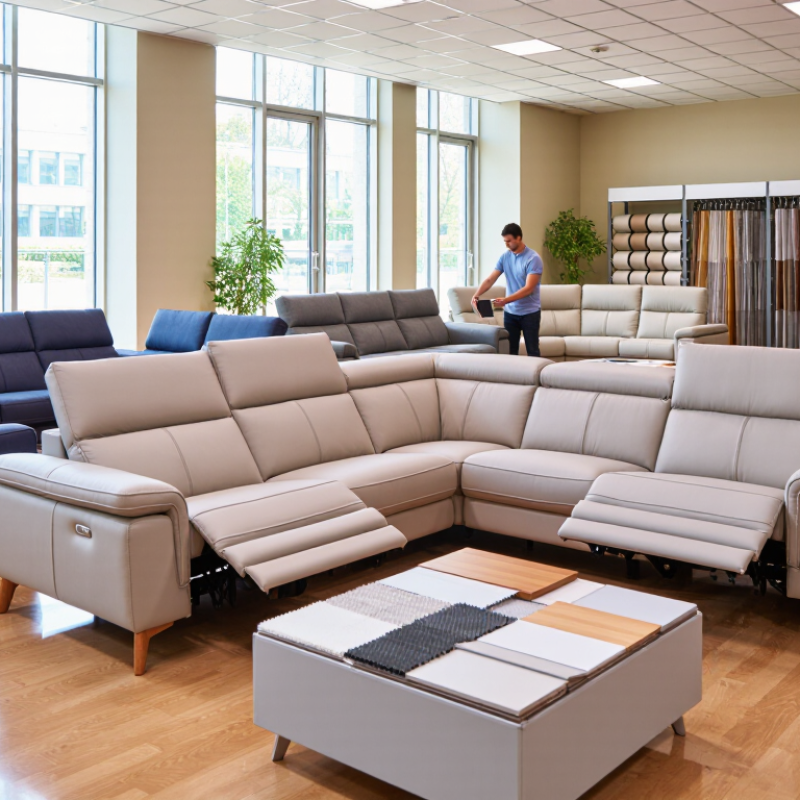
Home upholstery manufacturers convert timber or engineered-board frames, springs or webbing, foam, batting, and fabric into sofas, armchairs, ottomans, and upholstered beds. Production may include frame assembly, cushion cutting, cover sewing, and hand fitting. Small tolerances matter. A loose seam or uneven cushion is easy to spot in a living room. Some factories make complete products; others specialize in frames, cushions, or upholstery work.
Grand View Research estimated the global furniture market at USD 722.3 billion in 2022 and projected 5.9% annual growth from 2023 to 2030. Its category covers more than upholstered furniture, so the figure indicates industry scale, not upholstery sales alone. The supply chain typically links material mills and component suppliers with manufacturers, distributors, and retailers. Some manufacturers control several stages; others buy finished frames or cut-and-sewn covers. Buyers may commission standard collections or request private-label production.
Factory capability can vary sharply, even within one manufacturing region. A supplier may handle high-volume sofas well but struggle with frequent fabric changes or small custom orders. Samples, seam checks, cushion measurements, and documented inspection criteria help buyers assess fit before shipment. Yet factory descriptions rarely show every production bottleneck. That gap deserves attention. Shipping distance, component availability, and rework can alter lead times and costs; published market totals do not capture those factory-level differences.
Key Criteria for Evaluating Upholstery Manufacturers Worldwide
Top Home Upholstery Manufacturers for Global Buyers
Key Criteria for Evaluating Upholstery Manufacturers Worldwide
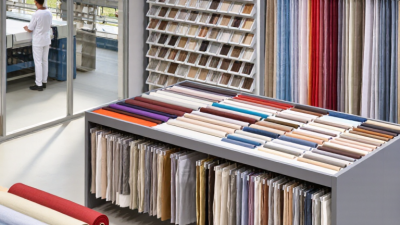
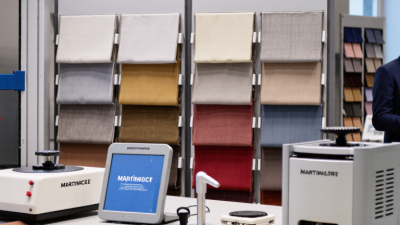
For global buyers, a factory sample is only a starting point. Ask for fabric test reports tied to the exact material code and production batch. Check abrasion, pilling, seam slippage, colorfastness, and cleaning instructions against the intended use. A hotel-lobby chair faces different wear than a spare-room ottoman. Small details matter. Request independent laboratory results, not just a sales sheet.
Material traceability deserves equal weight. Textile Exchange’s Materials Market Report 2024 estimates global fiber production reached 124 million tonnes in 2023 and projects 160 million tonnes by 2030. That scale makes supplier-level disclosure increasingly useful. Ask manufacturers to identify fiber content, recycled inputs, and chain-of-custody evidence for each component, including backing cloth and cushion covers. A certificate helps, but does not prove every batch matches.
Evaluate construction and delivery with the same care. Request frame-joint details, suspension specifications, foam density, and a written defect process. Compare pre-shipment inspection records with incoming checks on cartons, labels, and stitching. Confirm capacity and lead times using recent order data, not promises. A polished audit can still miss weak seams. Keep an approved production sample as a reference, then review early shipments before scaling orders. Not glamorous, but practical.
Leading Home Upholstery Manufacturers and Their Specialties
For global buyers, leading home upholstery manufacturers often specialize by construction rather than by a single style. Frame-focused makers emphasize kiln-dried hardwood, reinforced corner blocks, and tight joints; inspect a sample frame for wobble before approving a large order. Upholstery specialists may offer deeper control over foam density, seat suspension, stitching, and pattern matching. Small details matter. A striped fabric that drifts across a wide sofa can make an otherwise careful product look rushed.
Fabric-focused manufacturers increasingly compete on performance and material traceability. Textile Exchange’s Materials Market Report 2024 puts global fiber production at 124 million tonnes in 2023, with polyester representing 57 percent. That scale makes fiber choice a practical sourcing question, not just a color decision. Ask suppliers for abrasion-test results, cleaning instructions, and fabric composition records. Grand View Research valued the global home furniture market at about US$226.6 billion in 2023 and projected 5 percent annual growth through 2030, pointing to broad demand but not guaranteeing equal quality across suppliers. A showroom swatch can flatter a fabric; a sewn sample used for several weeks may reveal more. Manufacturers do not always make that comparison easy.
How to Compare Materials, Customization, Quality, and Production Capacity
Top Home Upholstery Manufacturers for Global Buyers
How to Compare Materials, Customization, Quality, and Production Capacity
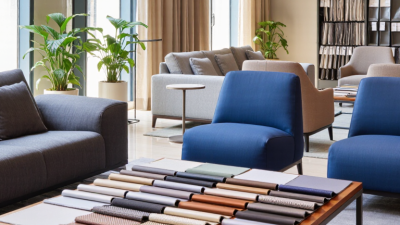
When comparing upholstery manufacturers, start with the intended use, not just the sample’s appearance. A soft boucle may suit a reading chair but wear quickly in a busy family room. Ask for fabric composition, abrasion-test results, colorfastness details, and cleaning guidance. Request samples in the actual color and texture you plan to order. Photos help, but they cannot show how a fabric feels or changes under light. Production capacity matters too: confirm monthly output, lead times, and how orders are scheduled during peak periods.
Tips: Ask for a written specification sheet and a pre-production sample. Check seam alignment, cushion firmness, and hidden areas such as the underside. Keep notes for each supplier. Small differences matter.
Customization can include dimensions, foam density, leg finishes, stitching, and packaging. Clarify which options are standard and which may affect cost or delivery. Ask how quality checks are recorded, and whether finished goods are inspected before packing. A clear process is more useful than a broad promise of high quality. It is easy to focus on the showroom sample; I would also ask how the supplier handles a batch that differs slightly. Production is rarely perfect, and honest answers help buyers judge the risk.
Global Sourcing, Supplier Verification, and Purchasing Considerations
Global sourcing for home upholstery starts with evidence, not a polished catalogue. Fortune Business Insights valued the global furniture market at US$556.1 billion in 2023 and forecast US$799.7 billion by 2032. That broad category includes many product types, so it cannot predict demand for a specific sofa. The World Bank’s 2023 Logistics Performance Index covers 139 economies, reminding buyers to assess transport reliability alongside factory price. A low quote can lose its appeal when loading dates slip or cartons arrive damp.
Tips: Request a current factory audit, material declarations, and a production sample. Check that the sample’s fabric, seam spacing, cushion density, and frame match the written specification. Ask for test reports tied to the exact material batch, not a similar item. Verify who performs quality checks and how defects are recorded. A certificate alone is not proof of consistent production.
Before placing a bulk order, agree on inspection stages, acceptable defect limits, packaging details, and replacement terms. Photograph the sample beside a tape measure and record the approved dimensions. Confirm lead time, payment milestones, shipping responsibilities, and what happens if inspection fails. One uncomfortable reality: even careful checks cannot remove every risk. A showroom sample may be excellent while a later batch differs; keep a signed reference sample and inspect goods before final payment.