What Is PVC Leather and Is It Waterproof?
PVC leather is a familiar material in furniture, bags, car interiors, footwear, and protective covers. It is not genuine animal leather. Instead, it usually combines a fabric backing with a polyvinyl chloride coating. This layered construction creates a smooth surface, consistent color, and resistance to everyday spills. It can also reduce maintenance compared with many natural leather products.
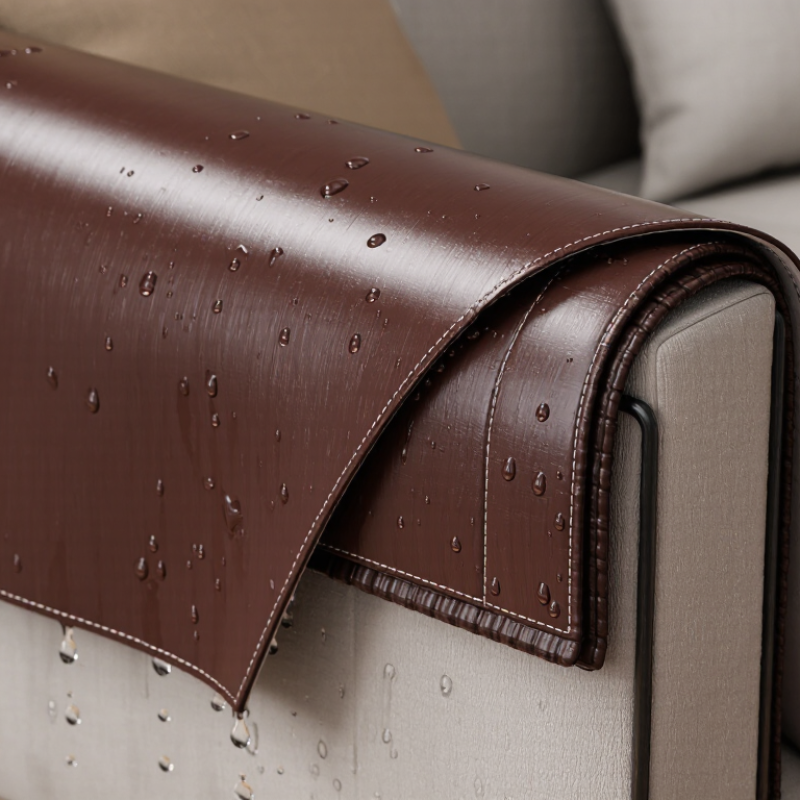
But is PVC leather waterproof? The answer is not completely simple. Its coated surface can repel water effectively, especially during brief contact with rain or accidental spills. A glass of water may bead on the surface instead of soaking in. However, moisture can enter through stitched seams, scratched areas, zippers, edges, or damaged backing materials. Water pressure and exposure time also matter. A material that survives a short splash may not withstand hours of heavy rain.
Product descriptions sometimes use “waterproof” too freely. “Water-resistant” is often more accurate. A reliable evaluation should examine the coating thickness, backing fabric, seam construction, and manufacturer’s care instructions. Testing a hidden area with a damp cloth can reveal color transfer or surface damage. Never assume every PVC leather product performs identically.
This guide explains how pvc leather is made, how it responds to moisture, and where its practical limits appear. It also considers cleaning, durability, breathability, and common signs of wear. The material is useful, but it is not magic. Good performance depends on design, maintenance, and realistic expectations.
What Is PVC Leather and How Is It Made?
PVC leather, often called vinyl leather, starts with polyvinyl chloride resin rather than animal hide. Manufacturers mix the resin with plasticizers, stabilizers, pigments, and processing aids. The compound is heated until it becomes a smooth coating. It is then spread or laminated onto polyester, cotton, or blended textile backing. Embossed rollers create a grain pattern. A clear surface layer may improve gloss and scratch resistance.
According to PlasticsEurope’s Plastics—The Facts 2023, PVC represented about 9.6% of European plastics demand in 2022.
That figure shows its industrial importance, not its comfort.
The backing controls much of the final feel. A knitted layer bends softly, while a dense woven layer feels firmer. PVC forms a continuous barrier, so new material usually resists rain and spills. It is not automatically waterproof. Needle holes, cut edges, weak seams, and cracked coatings can let water through. Prolonged heat or sunlight may also stiffen the surface.
A 2024 synthetic leather market report from Grand View Research estimated the global market at roughly
US$33 billion
in 2023. That growth shows demand, but it does not prove long-term durability.
In practical product checks, wipe the surface clean and inspect the reverse side. Check stitched areas after repeated flexing. I would avoid calling every PVC leather product waterproof.
“Water-resistant” is often more honest.
What Materials and Layers Form PVC Leather?
PVC leather is a coated textile, not genuine animal hide. Its structure usually begins with a backing fabric, such as polyester, cotton, or a blend. This layer provides shape and tear resistance. A PVC paste then covers the fabric and forms the main protective surface.
The coating may contain plasticizers, stabilizers, pigments, and other processing additives. Heat bonds these materials to the backing. Manufacturers can emboss the surface with grain patterns, making it resemble leather. A thin topcoat may improve resistance to stains, scratches, and fading. The construction varies. Some products have several PVC layers, while others use a simpler coating. That difference affects flexibility, smell, durability, and price.
Tips: Check the reverse side before buying. Exposed fabric can absorb water quickly. A smooth, sealed surface usually offers better moisture resistance. However, PVC leather is not automatically waterproof. Water can enter through stitched seams, needle holes, zippers, or damaged edges. In practical use, wipe spills promptly and avoid soaking the material. I have found that repeated bending can expose weak points faster than light surface contact. This is easy to overlook. Product specifications should state the backing material and testing method, but details are sometimes incomplete. Ask for clear care instructions when the information seems vague.
What Is PVC Leather and Is It Waterproof?
PVC leather is a coated textile material made from a fabric backing and one or more PVC-based layers. The PVC surface is non-porous and water-resistant, but seams, needle holes, cuts, and an exposed fabric backing can allow moisture to pass through.
The chart shows a representative 1.30 mm PVC leather construction. Actual layer thickness varies by product and application.
How Does PVC Leather Compare With Genuine Leather?
What Is PVC Leather and Is It Waterproof?
PVC leather is a textile backing covered with polyvinyl chloride. Its smooth surface resembles finished leather, but its structure differs completely. In daily use, it handles spilled coffee, light rain, and quick wiping well. Water usually stays on the surface. However, stitching holes, cracked coatings, and exposed edges can allow moisture inside. PVC leather is water-resistant by design, not automatically waterproof. Performance depends on coating thickness, seam construction, and testing pressure. ISO 811 hydrostatic testing can measure fabric resistance, but household products rarely share comparable results.
Genuine leather has a natural collagen structure. It can feel warmer, soften with age, and develop visible patina. Yet untreated leather absorbs water quickly. Finishes improve resistance, but they do not make every hide permanently waterproof. Maintenance matters. A damp cloth is safer than soaking either material. PVC usually offers easier cleaning and more consistent appearance. Genuine leather can offer better breathability and repair potential, though quality varies widely.
The environmental comparison is less simple than “plastic versus natural.” The Food and Agriculture Organization reported that livestock systems contributed about 14.5% of human-caused greenhouse-gas emissions in its 2013 assessment. That figure covers the whole livestock system, not leather alone. Meanwhile, Textile Exchange reported global fiber production reached 124 million tonnes in 2023, showing the scale of synthetic material demand. PVC can resist water and abrasion, but its plastic coating is difficult to recycle in mixed constructions. Genuine leather may last for years, but poor care shortens its life. There is no perfect winner.
How Should PVC Leather Be Cleaned and Maintained?
PVC leather is a coated fabric often used for furniture, bags, and vehicle interiors. Its surface resists water well, but it is not completely waterproof. Water can enter through seams, scratches, zippers, or worn edges. I have found that quick cleaning prevents most visible damage, especially around frequently touched areas.
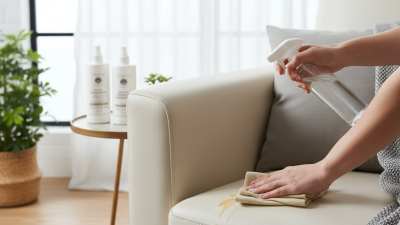
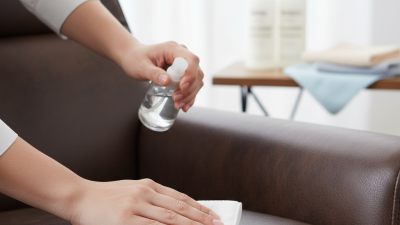
Remove dust with a soft, dry microfiber cloth. Mix lukewarm water with a small amount of mild soap. Dampen the cloth, then wipe gently without soaking the material. Never pour cleaner directly onto PVC leather. Test the solution on a hidden area first. This small step matters. Wipe away soap residue with another damp cloth, then dry the surface immediately. Avoid bleach, abrasive powders, alcohol-based cleaners, and strong solvents. They may leave dull patches or make the coating brittle. Do not use a hair dryer or place the item beside a heater. Heat can cause cracking, shrinking, or sticky areas. I once cleaned too aggressively near a seam, and the finish became uneven. That mistake is easy to repeat.
Tips: Clean spills within a few minutes. Use a soft brush for textured grooves. Check seams during routine cleaning. Store items away from direct sunlight. PVC leather usually does not need traditional leather conditioner, which may leave a greasy film. However, maintenance advice can vary by coating, so follow the care label when available. When the surface starts peeling, cleaning will not repair it; professional assessment may be more sensible than repeated scrubbing.