7 Tower Clamp Buying Tips for Global Buyers
Buying a Tower Clamp for an international project is not a simple price comparison. The correct choice affects structural stability, installation time, and long-term maintenance. A clamp may look robust in a product photo, yet its bolt threads, coating, or dimensions can tell another story.
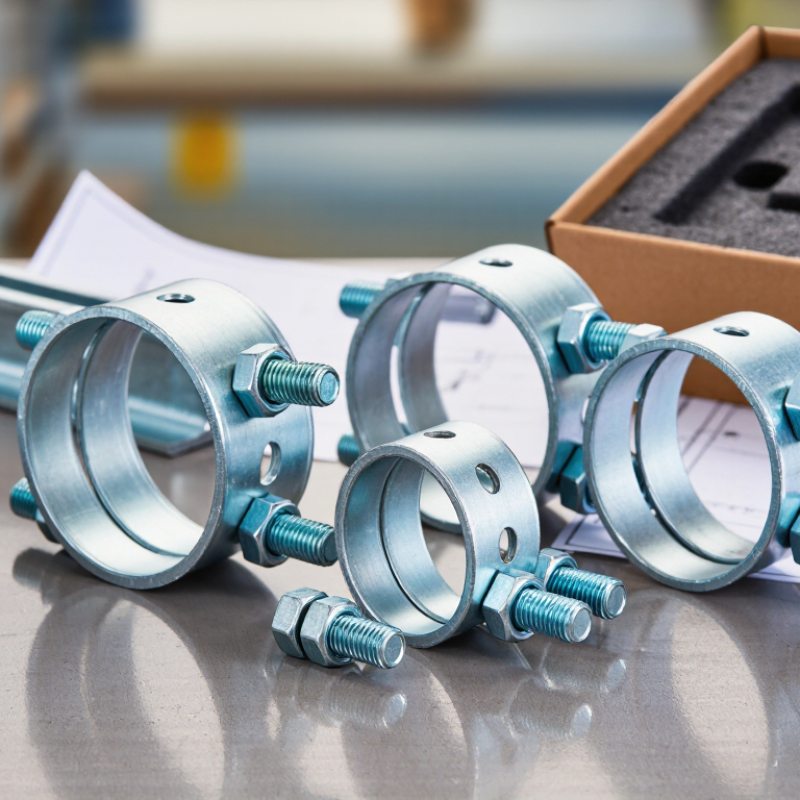
This guide presents seven practical buying tips for global buyers. It examines material grade, pipe diameter, load requirements, corrosion protection, manufacturing consistency, documentation, and supplier communication. Small details matter. A galvanized surface should remain even around holes and edges. Threads should engage smoothly without excessive force. The clamp must fit the tower member accurately, not merely “almost fit.”
Specification comes first.
Buyers should request drawings, test records, inspection details, and clear packing information. A reliable supplier can explain tolerances, production controls, and recommended tightening methods. Independent inspection may also be valuable for large orders or critical infrastructure. Regional standards and project requirements must be checked before purchase, because acceptance criteria can vary between markets.
Cost still matters. However, a cheaper Tower Clamp may create hidden expenses through rework, delays, or early replacement. That point is easy to overlook. Even experienced purchasing teams can focus too heavily on unit price. A better evaluation compares total delivered value, including freight, packaging, quality checks, and after-sales support.
No buying checklist is perfect. Site conditions, tower design, weather exposure, and installer skill can change the decision. Use these tips as a practical review framework, then confirm the final selection with a qualified engineer and the project’s technical documents.
Define Tower Clamp Types and Their Structural Uses
7 Tower Clamp Buying Tips for Global Buyers
Define Tower Clamp Types and Their Structural Uses
Tower clamps are not interchangeable. Fixed-angle clamps join tubes at set angles, often 90 degrees, for rigid frames and platform edges. Swivel clamps support diagonal bracing when the angle changes across a lattice tower. Sleeve clamps connect tubes end-to-end, while base clamps transfer vertical loads into footplates or foundation interfaces. Beam clamps attach secondary members to steel beams, but they need verified flange dimensions and load ratings.
A clamp can look strong and still be wrong. Check tube diameter, wall thickness, bolt grade, finish, and design load together. The World Steel Association reported 1.89 billion tonnes of crude steel production in 2023. This scale does not guarantee consistent clamp quality. Material certificates and traceable batch records still matter. Tip: Match the clamp to the load path, not only the tube size. Ask for tested slip resistance and proof-load results. An engineer should review unusual angles, eccentric loads, and wind exposure.
Tip: Separate temporary access uses from permanent structural uses. Temporary towers may need frequent adjustment, while permanent bracing demands stronger corrosion protection and controlled tightening. Inspectors often find loose bolts after vibration, even when installation looked correct. Galvanized coatings help, but damaged threads can still corrode. ISO 898-1 can guide bolt property checks, while local structural codes govern the complete assembly. No checklist catches every site variable. That limitation deserves attention.
Match Clamp Size with Tower Components and Installation Needs
For global buyers, clamp size should start with the tower member, not the product photo. Measure the leg or brace across its actual contact surface. Record width, thickness, corner radius, and hole spacing. Angle steel needs a different clamp profile than tubular steel. A loose fit can rotate under vibration. An overly tight fit may deform thin galvanized sections.
Match the clamp opening to the tower component with careful clearance. Check bolt diameter, washer size, and thread length before ordering. The hardware must leave enough thread for full nut engagement. Also confirm the clamp’s rated load against the supported cable tray, antenna bracket, or service platform. Static weight is only part of the calculation. Wind exposure, vibration, and installation direction can change the requirement.
Installation access matters as much as dimensions. A large clamp may fit the tower but block a wrench or torque tool. Check whether workers can install it from one side or need access around the member. Metric and imperial measurements should never be mixed without written confirmation. In field inspections, a common mistake is measuring the tower before coating damage or repairs are considered. Recheck the surface condition and clamp seating area. I have found that drawings often omit small obstructions, so site photos and a component sketch are worth requesting before purchase.
Compare Suppliers, Certifications, Pricing, and Delivery Terms
For global tower clamp buyers, supplier comparison should begin with traceable evidence, not catalogue photos. Request material certificates, dimensional drawings, salt-spray or corrosion-test results, and a recent inspection report. ISO 9001 supports process control, but it does not prove product performance. Ask whether testing was completed by an ISO/IEC 17025-accredited laboratory. The IEC 62271 series can also guide relevant electrical equipment requirements, although the exact standard depends on the clamp’s application. Small differences matter: bolt grade, hole spacing, coating thickness, and contact surface finish can affect installation and service life.
Certification claims need checking. Verify certificate numbers, issuing bodies, validity dates, and factory scope. A supplier with clear nonconformance records may be more reliable than one showing only polished documents. That sounds counterintuitive. It is worth asking how rejected batches were corrected. Pricing should be compared on the same basis, such as EXW, FOB, or DDP, with packaging, tooling, testing, and replacement parts listed separately. A low unit price can hide expensive inspection or port charges.
Delivery terms deserve equal attention. The World Bank’s Logistics Performance Index 2023 evaluated 139 economies across customs, infrastructure, tracking, and timeliness. Use those categories when reviewing a supplier’s shipping plan. Request production lead time, inspection timing, port of loading, transit estimate, and delay procedures in writing. UNCTAD’s Review of Maritime Transport 2023 confirms that maritime shipping carries over 80% of global merchandise trade by volume, so schedule risk remains real. Build a buffer. My own buying checklists still miss small packaging details occasionally, especially corrosion protection for long sea routes.
Verify Quality Through Inspection, Testing, and After-Sales Support
When buying tower clamps internationally, inspect the metal, threads, welds, and surface finish before shipment. Look for clean edges, even galvanizing, and holes that align without force. A practical inspection should compare samples against approved drawings and measured dimensions. Do not guess. Ask for material certificates, production records, and inspection photographs with visible dates. These documents improve traceability, but they are not proof of perfect quality. An independent inspector can check random pieces from different cartons. This matters because one excellent sample may hide inconsistent production.
Testing should reflect actual installation conditions, including load, vibration, corrosion exposure, and repeated tightening. Request test methods, equipment details, acceptance limits, and signed results. If the supplier avoids specific data, treat that as a warning. After-sales support also deserves testing before purchase. Confirm response times, replacement procedures, spare-part availability, and technical guidance for installation teams. A clear warranty should explain coverage, exclusions, and evidence requirements. Keep every agreement in writing. In my experience, fast support often prevents a small fitting issue from becoming a costly site delay. Still, no inspection catches everything. I once overlooked packaging strength, and several parts arrived with damaged threads. That mistake changed my checklist: quality includes protection during transport, not only performance in the factory. Reliable suppliers accept questions, investigate complaints, and share corrective actions instead of offering vague reassurance.
7 Tower Clamp Buying Tips for Global Buyers
A practical verification checklist showing the recommended number of evidence items buyers should confirm before placing an international tower clamp order.
Prioritize measurable product specifications, material and coating verification, load testing, independent inspection, traceability, packaging checks, and after-sales support.
