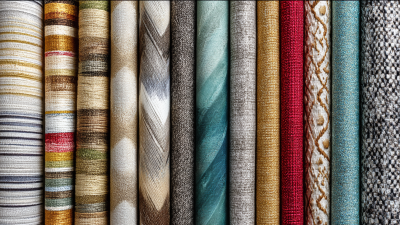
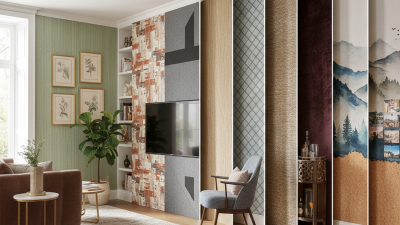
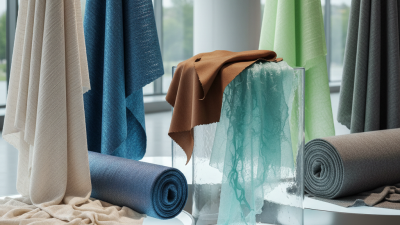
Choosing wall fabric is not just a matter of color. The right material can soften a room, add texture, and help a large wall feel more inviting. Yet a beautiful sample may behave differently once it covers an entire surface. Daylight can reveal a sheen you barely noticed in the shop. A pale weave may also show marks more readily than expected.
Small details matter.
Before choosing, consider where the fabric will go and how the room is used. A busy hallway has different needs from a quiet bedroom. Check the fabric’s fiber, backing, cleaning guidance, and suitability for wall installation. Ask about durability ratings when available, but do not treat one number as the whole answer. Seams, wall preparation, and professional installation can affect the finished look, too. Request a sample, then view it beside your furniture in both daylight and evening light. It may look less impressive at first. That is useful information.
This guide shares ten practical tips for choosing wall fabric with fewer surprises. It will help you compare texture, color, maintenance, budget, and installation needs. There is no single best option for every home. A delicate textile might be worth the extra care in a low-traffic room, while a durable, easy-to-clean choice may suit a family space better. The trade-offs are real. Take time to check the details before committing.
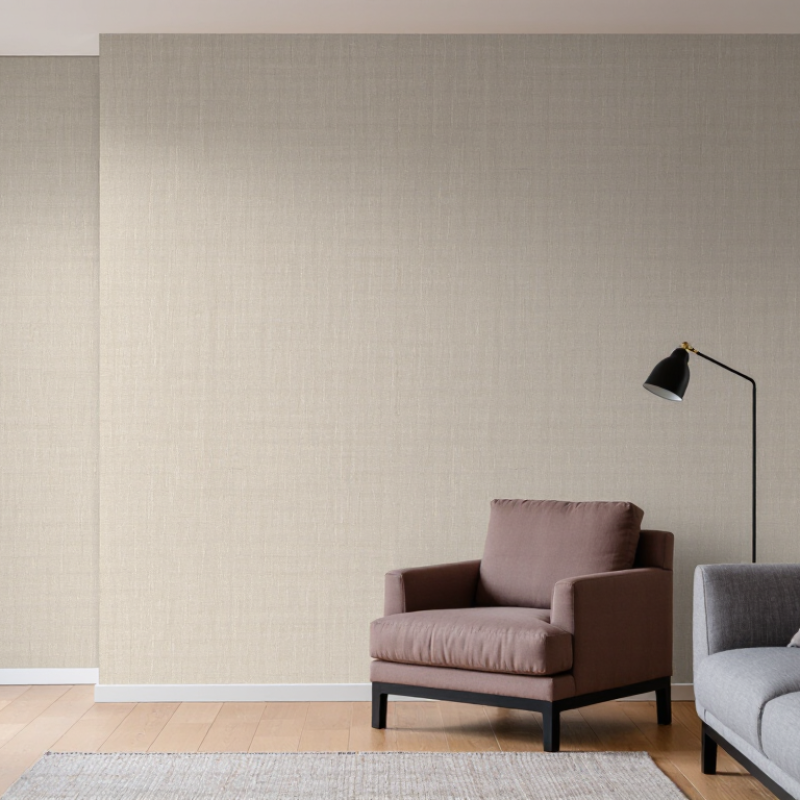
10 Tips for Choosing the Best Wall Fabric?
Wall fabric is not one material with one purpose. Woven textiles bring visible texture to bedrooms and living spaces, but they may collect dust in busy rooms. Nonwoven wallcoverings often feel smoother and can be easier to handle during installation. Fabric-backed acoustic panels are designed to soften echoes, especially in home offices or media rooms. They do not soundproof a room completely. That distinction matters.
Tips: Match the fabric to the room’s daily use. For a hallway, check abrasion resistance and cleaning instructions. In a quiet study, consider a textured weave or acoustic panel. Ask for a sample, then view it beside the room’s actual lighting. It may look different at night. Check the backing, installation method, and care requirements before ordering; some fabrics need careful professional fitting.
A small sample can reveal more than a product photo: run your fingers over it, inspect the edges, and see whether the color shifts near a window. I once underestimated how strongly a raised weave caught side light; it made a subtle wall feel busy. Think about seams, too. Large patterns may require extra material to align, while delicate textiles can show marks during handling. Choose based on the wall’s condition and the room’s routine, not texture alone.
A practical comparison of common wall-fabric options. Higher ratings indicate a stronger overall fit for typical wall applications, considering durability, cleanability, and suitability for different rooms.
Ratings are qualitative guidance, not laboratory measurements; actual performance depends on the fabric construction, backing, finish, installation, and care instructions. Vinyl-coated fabric is often considered for areas where wipe-clean surfaces are useful, while linen and cotton are commonly selected for their natural texture.
A wall fabric should suit the room, not just the color palette. In a sunny living room, direct light can fade some fibers over time, so check the fabric’s lightfastness rating and compare swatches near the actual window. A small sample can look different at noon than it does on a cloudy afternoon. That detail is easy to miss.
Moisture matters. In bathrooms, laundry areas, or kitchens, choose a fabric and backing designed for the room’s humidity, and confirm the installation guidance with a qualified installer. Poor airflow can still cause trouble, even with a suitable material. In busy hallways, look for a durable, cleanable surface; textured weaves may hold dust and can be harder to wipe without damage. Test it first. Dab a spare sample with a damp cloth and follow the care instructions, rather than assuming “washable” means stain-proof.
Room use also affects comfort and upkeep. A soft, sound-absorbing textile may feel welcoming in a bedroom, while a tightly woven fabric can be more practical beside a dining table. Ask how seams, corners, and outlets will be finished, since neat installation changes the result. I’ve found that choosing by a tiny swatch alone can be misleading; still, larger samples cost time and effort. Check one against the wall through several days before deciding.
Choosing wall fabric begins with color, but a small swatch can mislead. View it in morning light and again beside a lamp. Warm cream may look yellow at night; charcoal can swallow a narrow room. Hold the sample against your floor, trim, and largest furniture piece. That matters. Avoid judging color from a phone screen.
Pattern needs room to breathe. Large leaves can feel lively on one broad wall, yet crowded around doors and shelves. Small repeats often suit tight spaces, though they may look busy from across the room.
Texture changes the impression, too: linen-like weaves soften hard edges, while raised loops catch shadows and dust. Consider how the wall will be used. A hallway needs fabric that tolerates brushing coats and bags; a bedroom can prioritize a softer hand.
Scale is easy to underestimate. Tape a full-width paper mock-up at eye level, then step back several paces. I once preferred the boldest sample up close, but it dominated the room from the doorway. I still find scale tricky.
Check seams and pattern repeats with an installer before ordering, since a beautiful motif can shift at joins.
Tip 1: Check durability before choosing a wall fabric. Compare the fabric’s abrasion rating with the room’s use, especially in hallways or busy dining areas. Look closely at a sample under bright light; loose loops and raised threads may snag more easily. A small sample can still mislead. Ask how the rating was measured, and consider testing a spare piece against a clean, dry cloth.
Tip 2: Match maintenance needs to your routine. Some fabrics tolerate gentle vacuuming, while others need careful spot cleaning or professional care. Read the cleaning instructions before purchase, not after a spill. Keep a sample for testing first. Water can leave marks or change the texture, so avoid assuming that a damp cloth is safe. Dust also gathers along seams and textured ridges.
Tip 3: Check installation requirements as carefully as the fabric itself. The wall should be clean, dry, and reasonably smooth; bumps can show through thin material. Ask whether the fabric needs special adhesive, a lining, or professionally finished edges. Measure doorways and wall sections, then plan where seams will fall. A beautiful pattern may look uneven if repeated motifs do not align. Installation details are easy to overlook, and correcting them later can be costly.
A realistic budget for wall fabric includes more than the price per yard. Add lining, adhesive or installation, and extra fabric for matching patterns. Measure each wall carefully, then ask how much usable fabric a repeat pattern leaves. A large repeat can increase waste. I once underestimated this and had to revise my estimate. That surprised me. Keep a small reserve for mistakes or future repairs.
Tips: Set a maximum total cost before browsing. Request a written estimate that separates materials and labor. Compare fabrics by durability and cleaning needs, not price alone. For a busy hallway, a delicate weave may need more care than your budget allows.
Order samples before committing. Tape them to the wall and check them in morning light, afternoon light, and evening lamp light. Feel the fabric, inspect its backing, and see whether its color works beside nearby paint and furniture. Wait a day. Then look again before deciding. Ask the supplier for care instructions and a larger sample if the pattern is difficult to judge. Small details matter. A sample cannot show every seam or full-wall effect, so treat it as a useful test, not a guarantee. I still find color shifts tricky in rooms with mixed lighting.
| Tip | What to Check | Practical Action | Why It Matters |
|---|---|---|---|
| 1. Set a total project budget | Fabric, lining, installation, adhesive or hardware, delivery, and any wall preparation. | List each expected cost and keep a 10–15% contingency for extra material or unexpected work. | The fabric price alone may not represent the full installed cost. |
| 2. Compare prices on the same basis | Price per yard or metre, roll width, minimum order, and shipping charges. | Compare the estimated cost for the required coverage, not just the listed unit price. | Different widths and minimum orders can change the amount you need to buy. |
| 3. Measure the wall carefully | Wall height and width, openings, pattern repeat, and direction of the design. | Measure each wall separately and ask the installer or supplier to confirm the quantity, including matching allowance. | Pattern matching and trimming can require more fabric than the wall’s measured area. |
| 4. Order samples before committing | Colour, texture, weight, weave, and the scale of any pattern. | Request a sample large enough to view the material clearly; compare shortlisted options side by side. | Small screens and swatches may not show the full appearance or texture accurately. |
| 5. Test samples in the room | Appearance in daylight, evening light, and beside the room’s flooring and furnishings. | Hold or temporarily position samples on the intended wall and view them at different times of day. | Lighting and surrounding colours can affect how a fabric looks in place. |
| 6. Check colourfastness and fading guidance | Care instructions, colourfastness information, and suitability for the room’s light exposure. | Ask for the manufacturer’s test information; do not assume a home test predicts long-term performance. | Direct sunlight and cleaning can affect some colours and fibres over time. |
| 7. Assess durability for the location | Abrasion or rub-test results, snag resistance, and the intended use of the room. | For high-contact areas, compare published test results using the same testing method and standard. | Performance needs differ between a low-traffic bedroom and a busy hallway. |
| 8. Confirm cleaning and maintenance needs | Cleaning method, stain-care instructions, and whether the fabric can be removed or replaced. | Read the care label and test any permitted cleaning method on an inconspicuous sample area first. | Some fabrics require specialist care and may not suit areas prone to marks or spills. |
| 9. Check installation compatibility | Fabric weight, backing, wall condition, and the recommended adhesive or mounting system. | Confirm that the chosen material and installation method are suitable for the specific wall surface. | An unsuitable method can affect adhesion, appearance, and future removal. |
| 10. Verify the final order details | Exact colour and pattern, quantity, dye lot, delivery timing, and return conditions. | Review the written order and, when possible, purchase enough material from one dye lot for the project. | Colour variation between production batches may be visible when pieces are installed together. |