
Choosing the best Electric Bike can feel overwhelming. With various models, sizes, and features, it’s essential to understand your needs first. An electric bike offers convenience and sustainability for urban commuting or leisurely rides.
Consider what you will primarily use the bike for. Do you need it for commuting, mountain biking, or casual rides? Different electric bikes cater to diverse riding styles. Battery life also plays a crucial role. A bike with a short battery may limit your long rides.
Researching reputable brands adds to your confidence. Look for reviews from experienced riders. They share insights that can guide your decision. Ultimately, the ideal electric bike should reflect your lifestyle and preferences. Take your time, and don’t rush the choice. Your investment should meet your needs for years to come.
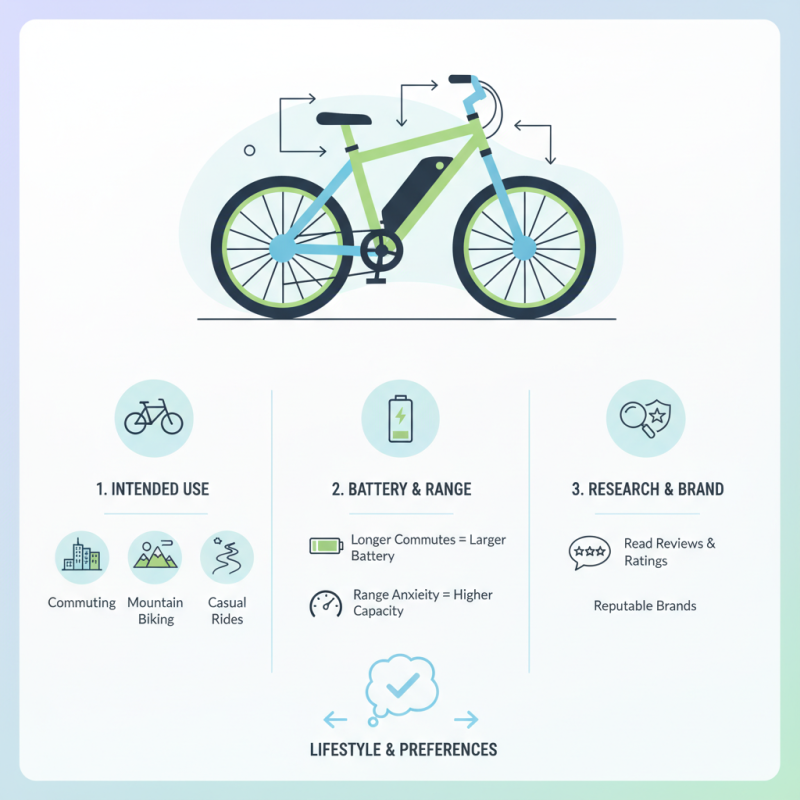
When choosing an electric bike, understanding the types available is crucial. There are several categories, each serving different needs. Commuter e-bikes are designed for daily travel. They often come with lightweight frames and fenders. These bikes make urban commuting easier and more efficient.
Mountain e-bikes, on the other hand, are built for rugged terrain. They sport wider tires and enhanced suspension systems. These features help navigate rough trails. However, they can be heavier and harder to handle for beginners. Gravel e-bikes are a blend of both styles. They offer versatility for mixed terrain usage. These bikes can be appealing, but their effectiveness depends on the rider's experience.
Folding e-bikes are compact and ideal for those with limited storage space. However, they may sacrifice power for portability. Each type has its own strengths and weaknesses. Think about your intended usage carefully. Reflect on your comfort levels with various terrains, as they can greatly influence your choice.
When considering an electric bike, identifying your primary use case is crucial. Will you use it for commuting, recreational rides, or off-road adventures? Each use case requires different features. A commuter bike may need a sturdy frame and fenders. Meanwhile, a recreational bike can focus more on comfort and utility.
Commuting often includes varying terrain and traffic conditions. Look for bikes with reliable lights and good brakes. If your route will involve steep hills, ensure the electric bike has sufficient power. For those who plan to ride for leisure, battery range is essential. You may want a bike that allows for longer rides without frequent recharging.
Off-road riding presents its own challenges. Here, durability and tire grip become key factors. Consider bikes with robust suspension systems. You may also reflect on how often you'll ride in rough conditions. Your choice should not only meet your current needs but also adapt to future possibilities. Each ride can teach you something new.
When evaluating electric bikes, key features and specifications are crucial. Battery capacity plays a significant role. Most e-bikes have batteries ranging from 300 to 700 watt-hours (Wh). Larger batteries provide longer ranges. According to industry reports, a battery above 500 Wh can give a rider up to 60 miles on a single charge under optimal conditions. However, actual performance can vary based on terrain, rider weight, and weather.
Motor power is another vital element. E-bikes typically feature motors between 250W and 750W. Higher wattage means more torque and better uphill performance. Research suggests that motors over 500W are preferable for hilly areas. However, potential buyers should watch for regulations. Some regions limit motor power to comply with legal standards. This can impact your riding experience.
Weight and frame design should also be prioritized. A lightweight model can significantly enhance maneuverability. For instance, e-bikes weighing over 60 pounds may be cumbersome for daily commuting. Frame materials, whether aluminum or carbon, affect durability and ride quality. Additionally, the bike's suspension system impacts comfort on rough terrains. Many riders overlook this feature, but it can transform the riding experience, especially on uneven surfaces.
When considering an electric bike, budgeting is essential. Prices vary widely based on features and design. A basic model might cost as low as $500, while high-end options can exceed $3,000. Knowing your budget helps narrow down choices. Before rushing to buy, it’s helpful to explore financing options. Many retailers offer payment plans or financing.
Research is crucial. Look into the total cost of ownership. This includes maintenance, insurance, and charging costs. Factor in any potential savings on public transport or gas. Some buyers overlook these aspects, leading to unexpected expenses later. A thorough budget review can reveal hidden costs and make your decision easier.
Consider the long-term benefits of your investment. Electric bikes can enhance your daily commute and leisure activities. Quality models often provide years of service. However, cheap options might save you cash upfront but could cost more in the long run. Reflect on your needs and habits. Will you bike daily, or just occasionally? Understanding how you will use the bike leads to better choices.
When researching electric bikes, it's crucial to truly understand your needs. Many factors come into play, such as battery range, motor power, and weight. A study by the Electric Bike Association reveals that over 40% of e-bike users consider range as their top priority. Therefore, comparing models based on these specifications is vital.
Price can vary significantly across brands, often reflecting features and quality. Research shows that the average cost of an electric bike ranges from $600 to $3,500. This disparity highlights the importance of assessing your budget against available options. Don't forget ergonomic factors; a comfortable bike can enhance your riding experience. Many models boast adjustable seats and handlebars, which cater to different riders.
In this expanding market, not all brands hold equal value. Reading user reviews and expert evaluations can provide insight. A survey from the National Bicycle Dealers Association indicates that nearly 80% of consumers found user feedback crucial in their decision-making process. Focus on long-term reliability and warranty offerings, as these details can influence your peace of mind. Remember, a wise choice today can lead to enjoyable rides for years to come.