
What Is the Best Type of Fabric Wall Covering from China?
Choosing the best fabric wall covering from China requires more than comparing colors, prices, or catalog photographs. Chinese manufacturers produce polyester, linen blends, velvet, silk-effect, and acoustic wall fabrics for hotels, offices, retail spaces, and homes. Each option behaves differently under light, cleaning, humidity, and daily contact. A beautiful sample may still wrinkle during installation or fade beside a sunny window.
This guide examines the practical details that influence a reliable purchase. It considers fiber composition, backing quality, fabric weight, seam visibility, abrasion resistance, colorfastness, acoustic performance, and installation requirements. For commercial projects, buyers should also request documented testing for flame performance, emissions, and other standards required in the destination market. Supplier experience matters, but clear evidence matters more. Ask for batch samples, technical data sheets, production photographs, and independent inspection records when possible.
There is no universal winner. Polyester may offer durability and easier maintenance, while natural fibers can provide richer texture and a more refined appearance. Acoustic fabrics may improve room comfort, but they often require compatible wall systems and careful fitting. The best fabric wall covering depends on the room’s purpose, budget, climate, and expected traffic. Small details decide the result. A slight color shift can become obvious across a large wall. I have seen promising samples disappoint after installation, so cautious evaluation remains essential. This article compares the leading options and explains how to judge Chinese suppliers with greater confidence.
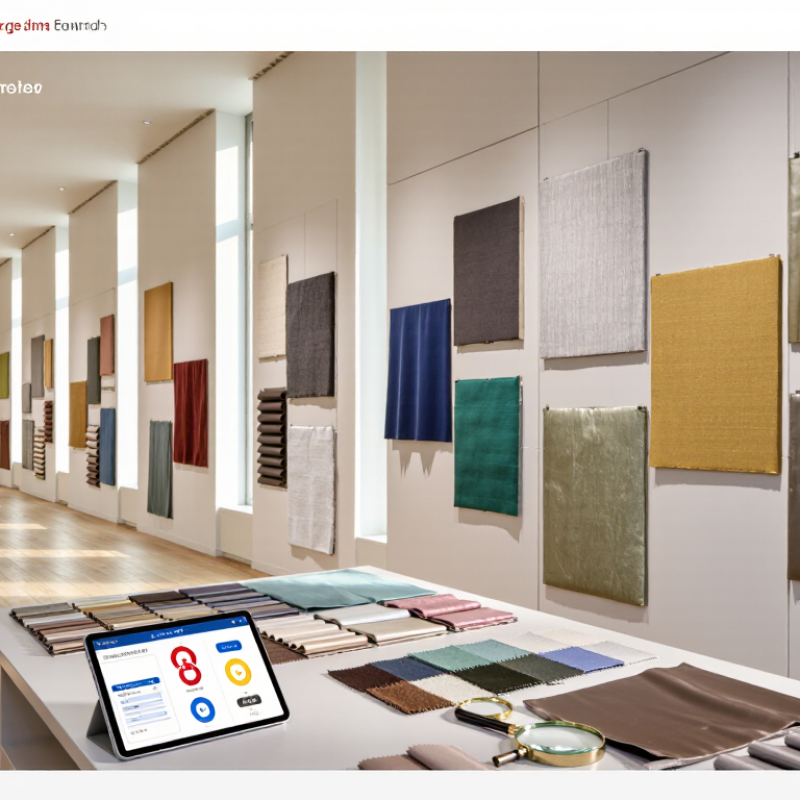
What Is Fabric Wall Covering and Why Choose Chinese Products?
Fabric wall covering is a textile surface installed over a protective backing. It may use linen, polyester, viscose, or blended fibers. The result feels warmer than painted drywall. It also creates visible texture under evening light. Some products improve acoustic comfort, but performance depends on construction and installation.
Demand is expanding beyond decoration. Grand View Research valued the global wallpaper market at USD 40.87 billion in 2023. Its report projects a 4.7% compound annual growth rate from 2024 to 2030. Fabric wall covering represents a more specialized segment within that market. Chinese manufacturers attract buyers through broad textile supply chains, flexible customization, and competitive production capacity. They can adjust weave, backing, width, color, and roll length for hospitality, offices, and residential projects.
The sourcing process still requires judgment. A low quotation proves little. Request physical samples, not only digital color charts. Rub the surface, inspect the backing, and examine seam alignment. Ask for test documents covering fire performance, colorfastness, moisture resistance, and volatile organic compounds. The 2024 UNEP Global Status Report for Buildings and Construction states that buildings consume 32% of global energy and produce 34% of global carbon dioxide emissions. Durable materials matter, although fabric covering alone cannot solve that problem. Chinese quality varies between factories. That is uncomfortable, but real. Clear specifications and independent testing reduce avoidable surprises.
What Is the Best Type of Fabric Wall Covering from China? — What Is Fabric Wall Covering and Why Choose Chinese Products?
| Fabric Wall Covering Type | Typical Material Composition | Typical Basis Weight | Key Performance Characteristics | Recommended Applications | Important Selection Factors | Why It Can Be Sourced from China |
|---|---|---|---|---|---|---|
| Polyester Textile Wallcovering | Woven or non-woven polyester fibers; may include a paper or textile backing | Approximately 180–450 g/m², depending on construction and backing | Good dimensional stability, broad color range, relatively easy maintenance, and good resistance to normal indoor wear | Hotels, offices, retail interiors, corridors, restaurants, and residential feature walls | Check surface abrasion results, backing quality, seam visibility, colorfastness, and installation method | China has extensive polyester fiber, weaving, coating, printing, and converting capacity, supporting customized colors, textures, widths, and repeat patterns |
| Fiberglass Wallcovering | Glass fiber yarns woven into a fabric structure, usually finished with a pigmented coating | Approximately 300–600 g/m² | High dimensional stability, strong tear resistance, paintable surface, and good suitability for high-traffic interiors | Healthcare areas, schools, hotels, public buildings, stairways, and commercial spaces | Confirm coating compatibility, surface texture, fire-test classification, installation adhesive, and local building-code requirements | Chinese manufacturers can combine glass-fiber textile production with coating, embossing, cutting, and roll packaging in one supply chain |
| Natural-Fiber Wallcovering | Jute, sisal, cotton, linen, bamboo, or blended natural fibers, normally applied to a backing | Approximately 250–500 g/m² | Distinctive natural texture, visual warmth, and good acoustic softness; appearance can vary between production lots | Reception areas, hospitality interiors, lounges, bedrooms, restaurants, and decorative feature walls | Assess shade variation, humidity exposure, edge stability, odor, cleanability, and available fire documentation | China offers access to multiple textile and agricultural-fiber processing regions, enabling different yarn types, textures, backing options, and decorative finishes |
| Acoustic PET-Felt Wall Panel | Thermally bonded polyester fiber, often manufactured with recycled PET content; may be laminated or CNC-cut | Approximately 300–1,000 g/m², depending on thickness and density | Provides sound absorption, lightweight installation, easy cutting, and three-dimensional design possibilities | Open-plan offices, meeting rooms, classrooms, studios, cinemas, restaurants, and collaborative spaces | Compare thickness, density, sound absorption data, recycled content, edge finish, and fire performance | China has established polyester recycling, needle-punching, laminating, CNC-cutting, and custom-shape manufacturing capabilities |
| Vinyl-Coated Fabric Wallcovering | Textile or non-woven base coated with PVC or another polymer layer | Approximately 350–700 g/m² | Good stain resistance, wipe-clean surface, strong decorative print capability, and suitability for demanding interiors | Healthcare support areas, hospitality spaces, corridors, food-service areas, retail stores, and transport interiors | Verify plasticizer compliance, low-emission requirements, cleanability, seam welding or joining method, and fire certification | Chinese supply chains commonly integrate textile bases, polymer coating, digital printing, embossing, inspection, and export packaging |
| Printed Non-Woven Textile Wallcovering | Cellulose, polyester, or blended non-woven fibers with digital, rotary, or surface printing | Approximately 120–300 g/m² | Fast design changes, good print detail, comparatively simple installation, and a wide range of decorative effects | Residential interiors, showrooms, hospitality rooms, retail displays, and temporary or seasonal installations | Check wet strength, paste compatibility, pattern repeat accuracy, color consistency, and cleanability | China’s printing and converting infrastructure supports short runs, private-label customization, multiple surface finishes, and export-ready roll formats |
| Commercial Textile Wallcovering with Backing | Woven polyester, rayon, cotton, or blended face fabric laminated to paper, non-woven, or synthetic backing | Approximately 250–550 g/m² | Premium appearance, improved handling during installation, enhanced wall protection, and strong design flexibility | Luxury hotels, corporate offices, cruise interiors, restaurants, conference centers, and premium residences | Review seam construction, pattern repeat, backing stability, abrasion resistance, colorfastness, and replacement-lot availability | Chinese factories can coordinate yarn sourcing, weaving, lamination, coating, printing, quality inspection, and made-to-order production |
Related Posts
-

Why Is Wall Fabric the Best Choice for Global Interiors?
-
Top Designer Upholstery Fabric Trends You Need to Know?
-
Top 5 Leather for Furniture Trends to Watch in 2025
-
The Ultimate Guide to Choosing Eco-Friendly Fabric Curtains for Every Home
-

Exploring the Advances in Furniture Fabric Technology: Trends and Sustainability Insights
-
Discover the Best Fabric Search Techniques for 2026?